

Q4 Inventory Gaps and Digital Goods Alternative Inventory Shortage Solutions
Stock shortages during peak holiday season mean missed sales, disappointed customers, and revenue that disappears to competitors. Digital goods offer a proven response to digital goods alternative inventory shortage challenges, turning potential lost sales into completed orders without requiring physical stock, warehouse space, or long lead times. Gift cards and digital products solve both the inventory problem and customer satisfaction at once.
Physical inventory shortages in Q4 2026
When a customer arrives ready to buy and finds your best seller out of stock, most won't wait. They'll close the tab and shop a competitor with inventory on hand. During the holiday rush, those lost sessions translate directly to abandoned revenue—especially for impulse purchases and gift shoppers who need a solution today, not a restock promise for next month.
Gift cards and digital products solve this gap without requiring physical stock, long lead times, or warehouse space. They ship instantly, never go out of stock, and position your store as the reliable choice when traditional inventory can't keep pace with Q4 demand. Adding them to your catalog in October turns potential abandonment into closed orders.
Early October launch gives 8+ weeks
An early October launch gives you eight full weeks to position gift cards and digital products before November-December peak demand peaks and physical inventory runs dry. That window lets you integrate digital goods into your catalog, build landing pages, and start messaging them as premium instant-ship options well before checkout abandonment spikes. Waiting until mid-November means you're reacting to stockouts instead of preventing lost sales.
Choosing Digital Products for Your Category
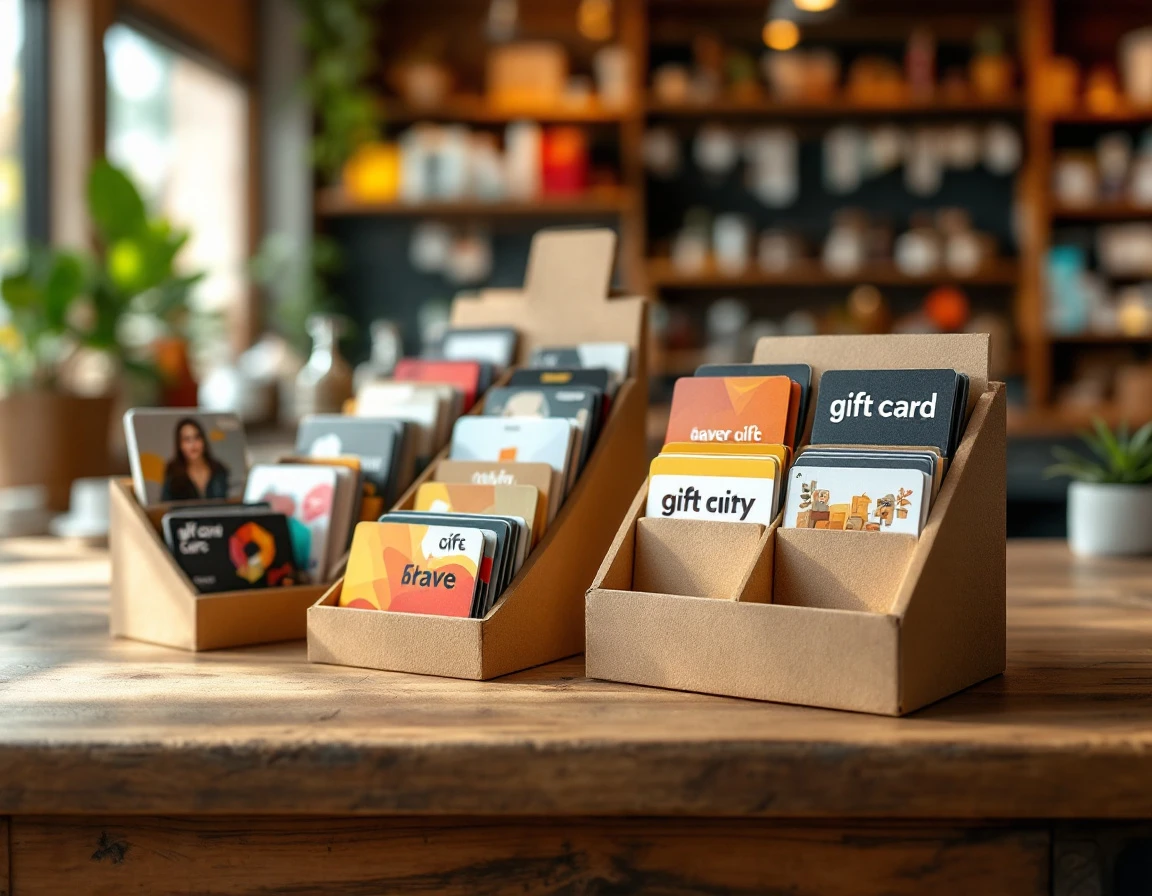
Gift cards are the universal play. Every retail category can sell them, they work for every customer intent, and they never miss the mark. A shopper who lands on your store in mid-December looking for a last-minute gift will take a gift card over an out-of-stock item every time. They capture revenue with zero fulfillment cost and zero inventory risk, making them the baseline digital offering for any e-commerce seller facing stock gaps. Adding digital gifts to your ecommerce catalog can help fill those gaps andog becomes your front-line defense against revenue loss.
Beyond gift cards, the digital products you add should match your existing catalog and customer behavior. Apparel brands benefit from digital styling subscriptions or personalized wardrobe consultations that extend the relationship past a single purchase. Home goods retailers can offer downloadable interior design guides, virtual room planning sessions, or access to exclusive design webinars. Beauty brands should consider product recommendation bundles delivered as digital lookbooks, skincare routine PDFs, or video tutorials that drive future physical purchases.
The key is customer intent alignment. If your category drives recurring purchases—coffee, pet supplies, skincare—subscriptions make sense because customers already buy monthly.
If you sell tools, software licenses or training modules fit naturally. Media and education sellers should focus on downloadable content: templates, courses, eBooks. Digital goods that feel bolted-on or disconnected from your brand will confuse shoppers and tank conversion.
Map your digital offerings to the pain points your physical products already solve. A kitchenware store that sells cookware should offer meal planning templates or recipe collections, not random meditation apps. The digital product should feel like a natural extension of what you already do well, not a desperate attempt to fill catalog holes. When a customer sees your digital offering, the reaction should be "that makes sense for this brand," not "why are they suddenly selling this?"

Platform Integration and Catalog Setup
Digital goods require a different fulfillment workflow than physical products. There's no pick-and-pack delay, no shipping carrier, and no inventory count that depletes with each sale. Instead, the customer checks out and receives their gift card code or digital download link within seconds—automatically. That instant-delivery logic is already built into most modern ecommerce platforms. But it lives in a separate product type setting that many sellers have never configured.
The technical setup takes between one and three days if you start in early October. You'll create product SKUs flagged as digital or virtual, configure automatic email delivery templates for gift card codes or download URLs, and link those SKUs to your existing category taxonomy so they appear in site search, related product widgets, and category browse pages. The mistake that tanks conversion is treating digital products as a separate storefront section—customers won't find them unless they're woven into your main catalog alongside physical goods.
Critical Configuration Steps
- Confirm that your platform's digital product settings trigger instant delivery at checkout completion, not at fulfillment or shipping. Test the flow with a real order to verify that the customer receives their redemption instructions within minutes.
- Review tax settings: digital goods face different sales tax rules than physical merchandise in many jurisdictions, and misconfigured tax logic will either overcharge customers or leave you liable.
- Integrate gift card and digital product purchase confirmations with your email marketing system so buyers receive branded redemption instructions and you can trigger follow-up campaigns.
October is the deadline to test and optimize this workflow before November traffic arrives. A broken delivery email or a gift card SKU hidden from search results won't surface until hundreds of orders have already failed. Run test orders, confirm delivery speed, and verify that every digital SKU appears where customers expect to find it—in category pages, search results, and product recommendations. Misconfiguration discovered in late November is revenue already lost.
Positioning Digital Goods as Premium Options
The language you use to introduce gift cards and digital products determines whether shoppers see them as thoughtful solutions or as evidence that you're scrambling to cover empty shelves. The framing matters more than the product itself. A gift card positioned as "the perfect choice for anyone who's hard to shop for" feels intentional and customer-focused. The same card labeled "alternative option" or buried in a clearance category signals inventory desperation and kills conversion.
Shift your messaging to emphasize the benefits digital products deliver on their own terms. Gift cards offer instant delivery and guaranteed satisfaction—no shipping delays, no guessing on size or color, no returns. Digital subscriptions provide ongoing value and exclusive access that physical goods can't match. These aren't workarounds; they're conveniences that remove friction from gift-giving for busy professionals and last-minute shoppers who value speed and reliability. Market gift cards when stock runs low by framing them as premium, instant solutions rather than reactive inventory fixes.
Make that reframing visible everywhere digital products appear. Email subject lines should read "Never Miss a Deadline: Gift Cards Delivered in Minutes" or "The Gift They'll Use All Year: Premium Subscriptions"—not "Still Shopping? We Have Digital Options." Product page copy should open with "Arrives instantly via email" and "No cutoff dates, no shipping fees," positioning digital goods as the no-stress choice. Homepage banners can feature digital products alongside physical inventory with equal prominence, using language like "Ship instantly" and "Always in stock" to highlight their advantages.
Feature digital products in search results and category pages without relegating them to a separate section labeled "digital." Treat them as first-class catalog entries that solve real gifting problems.
A shopper searching for kitchen goods should see a cooking class subscription next to cookware, framed as a premium companion purchase. Position digital offerings as the choice for savvy shoppers who want convenience and certainty, and your catalog becomes more resilient without looking depleted.

Launch Timing and Quick-Win Implementation
Launching gift cards and digital products is not a platform overhaul. You're adding a category, configuring delivery logic, and writing marketing copy. Most sellers complete the process in less than a month. The goal is to be live and optimized before November 1, capturing Q4 revenue that would otherwise disappear when physical inventory runs out.
Your 30-Day October Launch Timeline
- Days 1–7: Product selection. Choose which digital goods fit your category and customer intent. Start with branded gift cards as the baseline, then add subscriptions, downloadable content, or consultations based on what already sells well. Use the selection frameworks covered earlier to avoid adding SKUs that feel disconnected from your brand.
- Days 8–14: Platform configuration. Integrate digital products into your catalog, configure instant delivery workflows, and set up tax handling for digital goods. This is when you test the technical plumbing—verify that SKUs are visible, delivery emails fire correctly, and checkout flows work across devices. Most platforms require minimal custom development if you're using native digital product features.
- Days 15–21: Testing and employee training. Run test orders end-to-end. Train customer support teams on how digital fulfillment works, refund policies for instant-delivery items, and how to answer questions about delivery timing. This is also when you finalize product page copy and homepage messaging using the templates from the previous section.
- Days 22–31: Soft launch and monitor. Use your existing customer email lists to drive early awareness and gauge demand before peak season hits. Send a targeted campaign to past buyers highlighting instant delivery and no-cutoff gift options. Monitor conversion rates, delivery issues, and customer questions. Adjust messaging or checkout flows based on real behavior.
Quick Wins to Capture Immediately
- Bundle digital goods with physical products at checkout to drive cross-sell and offset inventory risk. A customer buying a skincare set can add a subscription refill service at a discount.
- A furniture buyer can add a design consultation. These bundles don't require separate campaigns—they live in the cart and increase average order value while reducing the sting of future stockouts.
By November 1, you'll have a live, tested digital catalog ready to absorb demand when physical inventory runs low. That's the difference between losing a sale and converting it.