

Unified Checkout & August Peak Revenue
August brings volume spikes—back-to-school and early holiday restocking—that expose whether your branded storefront's checkout can handle the order velocity and pricing complexity B2B buyers demand. That 60-to-90-day window from late summer into fall delivers predictable, concentrated demand—and checkout friction directly erodes millions in potential revenue when buyers abandon carts mid-purchase. This isn't a feature conversation; it's a strategic question about whether your payment experience is ready for the moment when volume matters most.
B2B sellers and white-label partners running multiple branded storefronts—each with its own vanity domain and branding—face a hidden operational friction: if checkout doesn't sync payment methods and customer data across storefronts, each order requires manual intervention or re-entry of saved payment details. Every additional step or mismatched interface becomes a drop-off risk when shoppers are comparing prices across tabs and expect speed. Industry data shows that retailers with unified checkout cut cart abandonment by up to 30% and increase customer lifetime value by removing the friction that makes a one-time buyer walk away before they ever become a repeat customer.
The Omnichannel Payment Friction Problem
Mid-market sellers—those operating multiple branded storefronts with distinct domains, partner portals, and white-label offerings—typically manage separate payment flows for each sales channel. Web checkout runs through one processor, the mobile app uses a different gateway, point-of-sale terminals connect to a third system, and marketplace integrations bring their own payment rules. Each channel carries distinct tokenization standards and fraud detection logic, forcing customers to re-enter payment credentials every time they switch from desktop to mobile or online to in-store.
This fragmentation creates measurable friction. Customers abandon carts when asked to input the same card details twice. Failed transactions multiply when fraud rules don't recognize returning shoppers across channels. Repeat authentication requests drive churn before the critical back-to-school and early holiday windows even begin.
The deeper problem: most mid-market sellers lack unified visibility into checkout performance by channel. Without consolidated reporting, teams can't identify where drop-off happens or why revenue leaks at the final step. What looks like a cost center is actually a revenue multiplier waiting to be activated.

5-Point Checkout Audit: Channel-by-Channel
The following diagnostic breaks down checkout friction by channel—web, mobile, app, point-of-sale, and marketplace—so you can pinpoint where customers abandon.
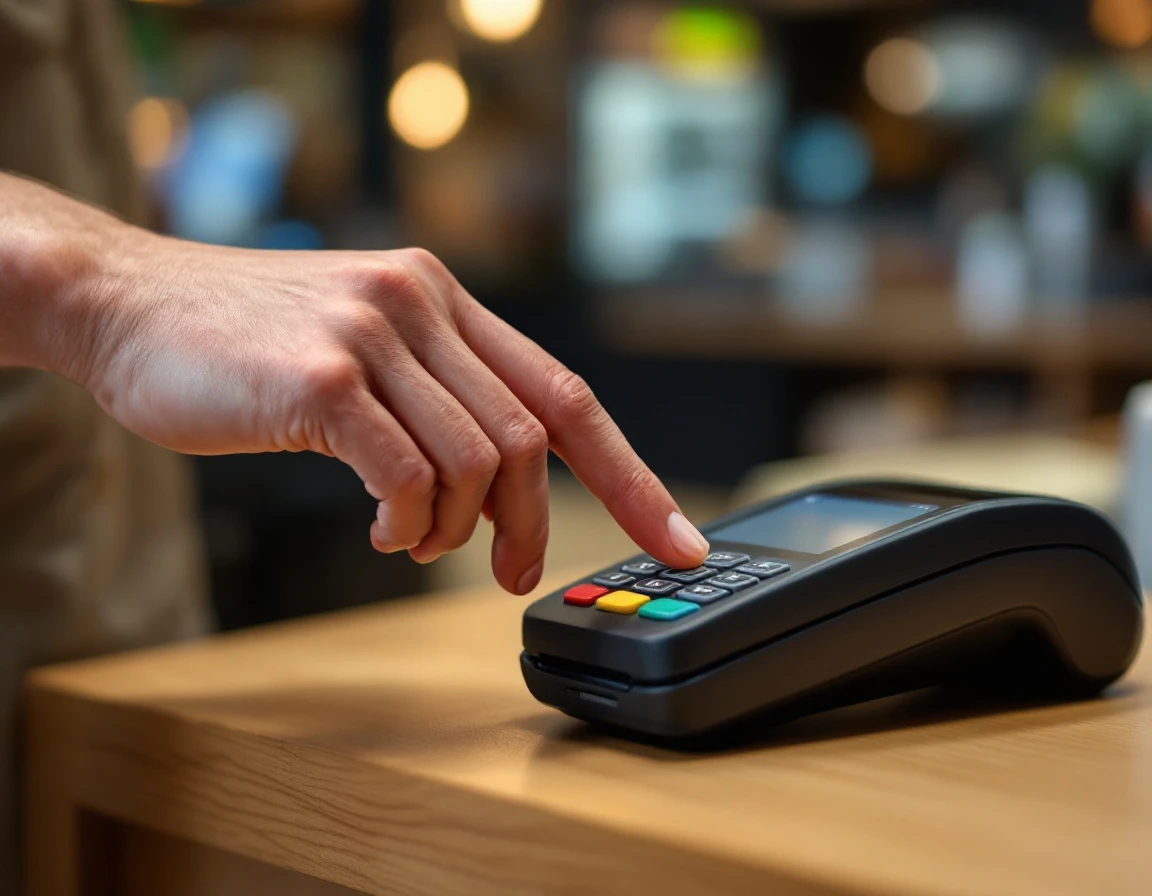
Audit point 1: Payment method availability—same
Start by mapping which payment methods appear at checkout on your website, mobile site, native app, and point-of-sale terminal. Can a customer who uses Apple Pay on mobile also use it in-store? Does your web checkout accept buy-now-pay-later options that vanish in your app?
Next, test whether a shopper can save payment credentials on one channel and retrieve them on another. If a customer adds a card on desktop, does it auto-populate when they check out from their phone? This cross-channel persistence is what turns browsers into buyers during high-traffic windows.
Audit point 3: Failure recovery—how are declined
Declined transactions happen across every channel, but what happens next varies wildly. Does your web checkout retry with a backup payment method, or does it show a generic error and send the customer away? Does your mobile app prompt for a different card, or force the shopper to start over? Test how each touchpoint handles failures—especially during high-traffic windows when processor timeouts spike—and map which channels offer recovery paths versus dead ends that cost completed orders.
Unified Checkout as Strategic Enabler
An integrated checkout platform consolidates payment processing, fraud detection, tokenization, and compliance into a single orchestration layer that sits behind web, mobile, and in-store channels. This isn't a cosmetic UX improvement—it's backend operational consolidation that replaces three to five separate processors with one integration, reducing PCI compliance scope, accelerating deployment timelines, and lowering operational overhead for teams managing multiple storefronts.
Key benefits of unified checkout include:
- Shared data model that recognizes saved payment methods and shipping preferences across every touchpoint
- Customer card tokens available at point of sale when added on mobile
- Addresses saved on desktop automatically populate at mobile checkout
- Channel-agnostic customer data flow that removes friction driving cart abandonment
- Increased lifetime value over repeat orders through purchase continuity
PurchasePuffin's unified checkout delivers this shared data model. When a customer adds a card on mobile, that token is available at the point of sale. When they save an address on desktop, it populates at mobile checkout. This channel-agnostic customer data flow removes the friction that drives cart abandonment during high-traffic windows and builds the purchase continuity that increases lifetime value over repeat orders.

Metrics & ROI: August Launch to Q4 Impact
Storefront operators and partner managers track four checkout metrics that reveal where orders are lost: cart abandonment rate by channel, checkout completion time, payment failure rate, and repeat customer friction. Measure each before deployment, then weekly through September to capture both back-to-school volume and early holiday shoppers testing your checkout ahead of peak season.
August deployment creates a short runway to prove the hypothesis before October traffic arrives. By mid-September, you'll have enough session volume to compare abandonment rates across web, mobile, and in-store against July baseline data. The ROI calculation is direct: multiply your abandonment reduction percentage by average order value and traffic volume, subtract integration and ongoing costs, and you have pre-Q4 payback.
PurchasePuffin's integrated platform tracks these metrics across channels from day one, so you enter Q4 with proof, not guesswork.
Action: Unified Checkout Before September Peak
Unified checkout deployed before August peak season gives your team visibility into checkout performance across channels during high-volume periods. This data becomes the foundation for scaling—you'll see exactly where friction costs repeat orders.
A 4-6 week unified checkout implementation launched this month captures full back-to-school volume, positions your store for holiday readiness. And proves ROI before traffic spikes stress-test your current system. The thesis—unified checkout drives cart abandonment reduction and lifetime-value gains—is only realized if deployment happens now, not after the season exposes your weak points.
Start with the 5-point diagnostic audit to surface your current checkout gaps. Then evaluate whether PurchasePuffin's integrated platform fits your omnichannel requirements.
The difference between knowing what to do and acting this week is the difference between a prepared Q4 and operational gridlock.